Overview
HESTIM Architectural and Urban Civil Engineering Program
HESTIM’s Architectural and Urban Civil Engineering program trains highly qualified engineers capable of designing, planning and supervising construction and urban development projects while combining technical expertise, architectural creativity and a commitment to sustainable development. As Moroccan and international cities experience rapid growth, the program provides a strategic response to contemporary challenges such as controlled urbanization, resource optimization, technological innovation and compliance with environmental and quality standards.
One of the program’s key strengths is its balanced combination of academic teaching and professional immersion. Courses are delivered by faculty researchers who provide a strong theoretical foundation and by practicing professionals—engineers, architects and urban planners—who share real-world experience. This complementarity helps students understand how to apply their knowledge to real situations and develop immediately applicable skills.
HESTIM places innovation and sustainable performance at the heart of its teaching approach. Students learn to use BIM (Building Information Modeling) to design and coordinate three-dimensional projects, ensuring seamless communication among all stakeholders on a construction site. They develop expertise in the analysis and design of reinforced concrete, steel and timber structures while applying Lean Construction methods to optimize processes, reduce lead times and minimize waste.
The curriculum also covers energy efficiency, responsible materials management and the application of environmental certifications such as HQE, LEED and BREEAM. Courses span a broad range of areas, from architectural design and sustainable urban planning to geotechnics, digital construction planning, complex project management and public-space development.
HESTIM’s Architectural and Urban Civil Engineering program prepares versatile engineers capable of designing and delivering projects that meet the requirements of modern construction, while anticipating future needs and adapting to market realities in Morocco and internationally.
Immersive Learning Connected to Real-World Practice
HESTIM structures the program around real-world projects every semester, with increasing complexity leading up to a fifth-year integration project carried out in consulting mode with industry partners. This approach is enhanced by professional software, construction-site visits and company internships, providing genuine immersion in professional practice.
Curriculum
Engineering Science and Technology
- Applied Mathematics
- General Mechanics
- Statistics and Probability for Engineers
- Data Processing and Analysis with Python and Minitab
- Operations Research
- Construction Technology
- Strength of Materials and Structural Analysis
- Materials Technology and Manufacturing Processes
- Fluid Mechanics
- Energy Engineering
BIM and Lean Construction
- Revit Structure (Autodesk Certificate)
- Lean Construction
- BIM Management
- 4D/5D Planning
- AutoCAD – Revit Architecture (Certificate
- Autodesk)
- Building Services & BIM MEP
Computer Science
- Programming and Algorithms
- Programming with Python
- Web Development
- Database Management
- Operating Systems
- Business Intelligence
Management
- Problem-Solving Techniques
- Financial Management
- Managerial Economics
- Entrepreneurship
- PMI-PMP Certification
Building and Public Works Engineering
- Geology and Soil Mechanics
- Advanced Geotechnical Engineering
- Foundation Design
- Surveying and Field Studies
- Structural Design and Analysis
- Building Technology and Technical Drawing
- Road Infrastructure Design and Alignment (Covadis)
- Hydraulics, Hydrology and Urban Hydraulics
- Civil Engineering Structures Technology
- Building Technology and Technical Drawing
- Prestressed Concrete and Structural Design of Civil Engineering Works
Building and Public Works Management
- Building Project Management
- Construction Management and Site Supervision
- Decision-Support Tools
- Real Estate Project Development and Economics
- Quality Management
- Safety Management
Professional Projects
- PISTE: Scientific and Technical Initiation Projects
- Supervised
- PACTE: Applied Expertise Projects
- PIC: Integration Projects in Consulting Mode
Soft skills
- Professional English
- Communication and Presentation Skills
- Public Speaking
- Conflict Management and Change Management
- Stress Management
- Leadership
- Creativity Techniques
Conditions d’admission
1. How Can I Join the Civil Engineering Program?
-
Holders of a scientific or technical Baccalaureate, subject to application review
-
Students with one year of scientific or technical higher education may be admitted following application review
-
Holders of a two-year higher education qualification, DUT, DEUG, scientific BTS or equivalent diploma
-
Holders of a three-year higher education qualification, Bachelor's degree or equivalent scientific diploma, subject to review by the admissions committee
2. What Documents Are Required to Apply to the Civil Engineering Program?
- Copy of Baccalaureate Diploma or Certificate of Completion
- Academic Transcript
- Copy of National ID Card (for Moroccan students)
- Copy of Passport (for international students)
- 2 Photos
- Motivation Letter
- 1st-Year Academic Transcript
- Certificate of Completion – 1st Year
- Copy of National ID Card (for Moroccan students)
- Copy of Passport (for international students)
- 2 Photos
- Motivation Letter
- 1st- and 2nd-Year Academic Transcripts
- Certificates of Completion – 1st and 2nd Years
- Copy of National ID Card (for Moroccan students)
- Copy of Passport (for international students)
- 2 Photos
- Motivation Letter
- 1st-, 2nd- and 3rd-Year Academic Transcripts
- Certificates of Completion – 1st, 2nd and 3rd Years
- Copy of National ID Card (for Moroccan students)
- Copy of Passport (for international students)
- 2 Photos
- Motivation Letter
Architectural and Urban Civil Engineering Program Highlights
Construction Site Visits
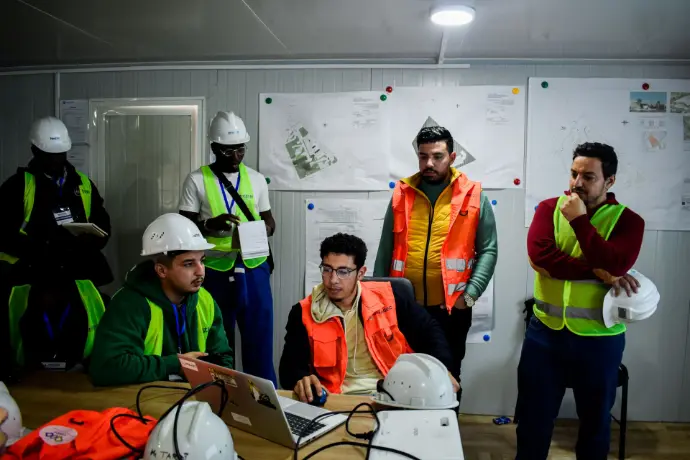
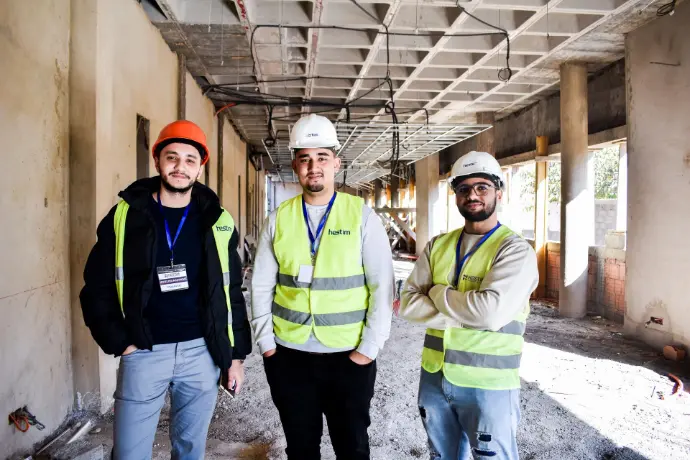
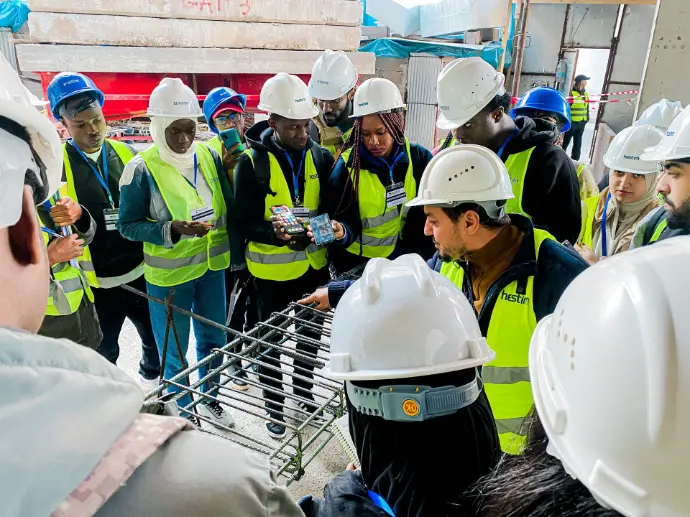
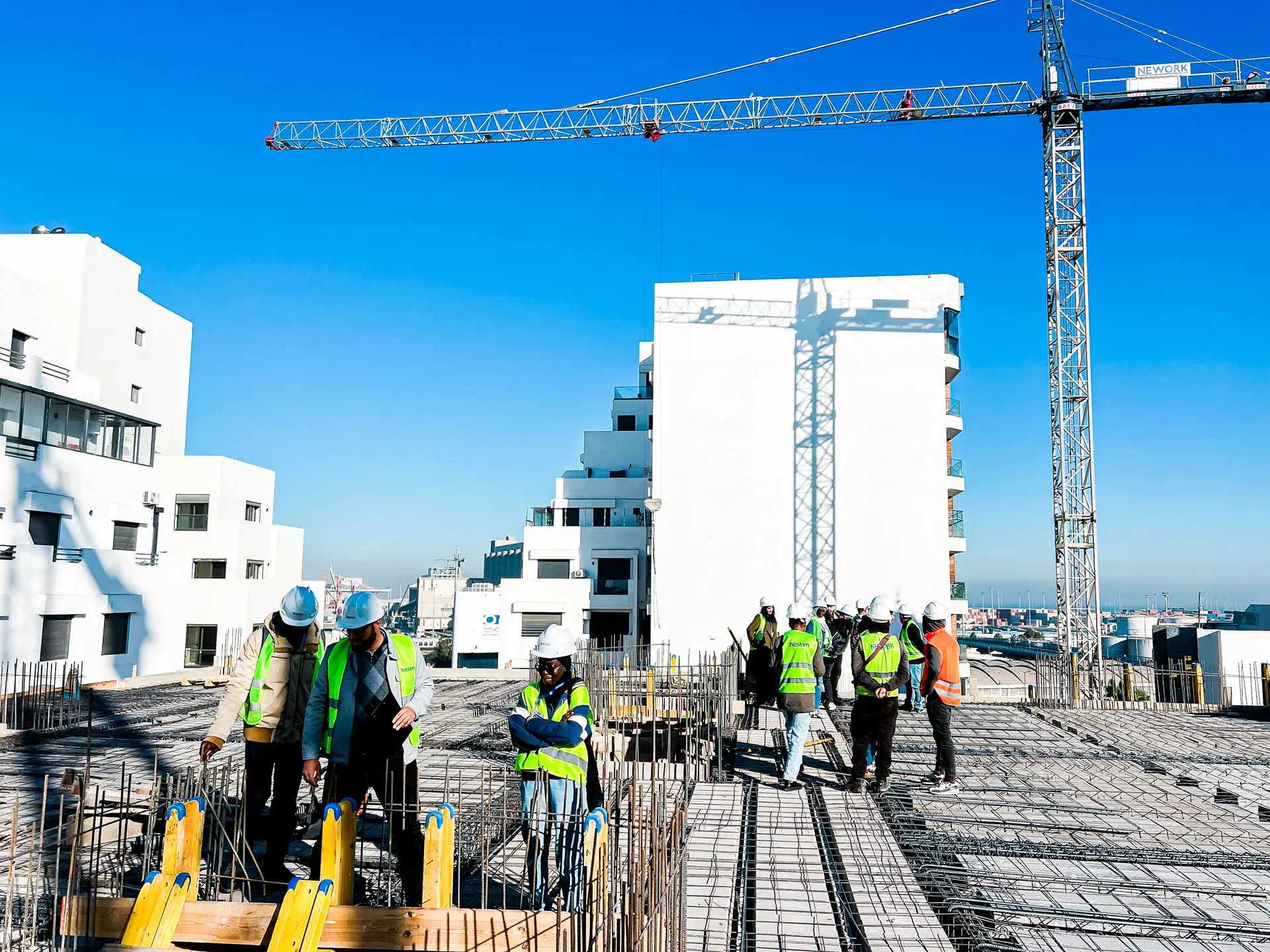
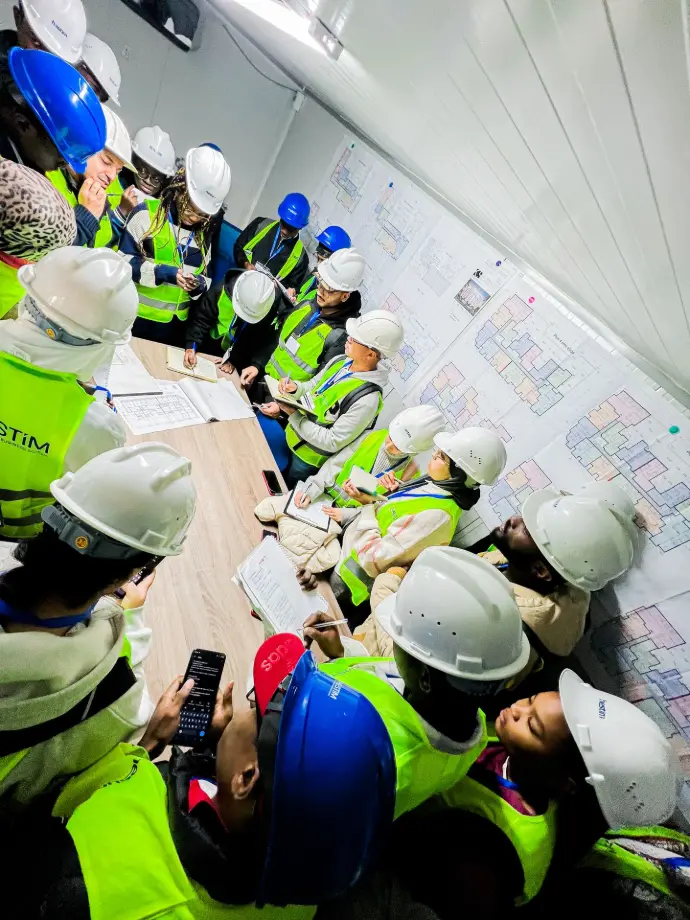
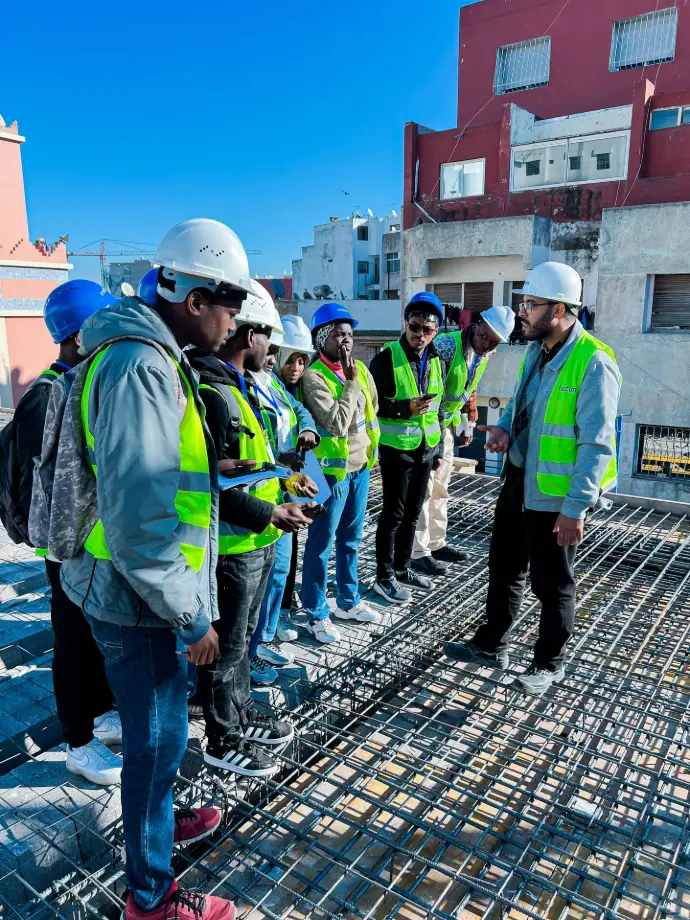
To connect academic learning with real-world practice, HESTIM regularly organizes visits to active construction sites. These educational visits allow students to observe the different phases of a construction project, the methods used, logistical constraints and innovative technologies in practice.
Through direct contact with professionals and real-world field experience, future engineers broaden their technical knowledge, develop their analytical thinking and deepen their understanding of operational and safety challenges. These practical experiences help them better grasp project complexity, strengthen their adaptability and prepare effectively for the demands of modern civil engineering, both in Morocco and internationally.
Professional Software
HESTIM trains students to master the essential professional software used in construction, urban development and structural engineering.
They develop their skills using industry-standard tools such as Revit, Archicad, Robot Structural Analysis, BetonLab, EPANET, EPASWMM, Covadis / Civil 3D, ZSoil, Binayate AMEE, AccoubatBIM (CYPE) and Navisworks 4D.
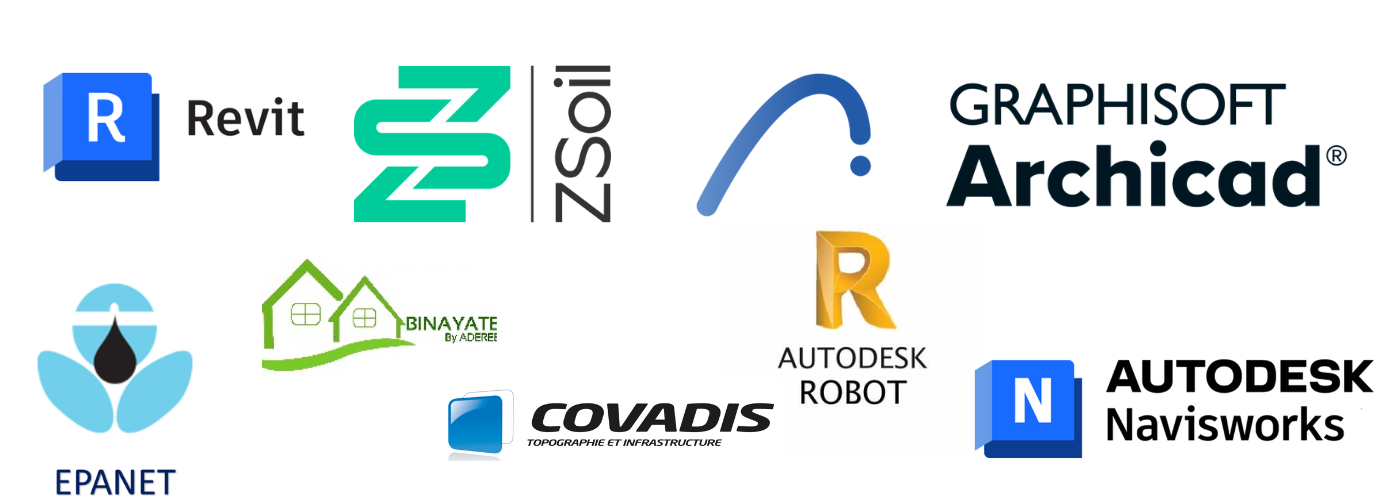
This digital expertise, supported by continuous technology monitoring, enables students to address the technical and organizational challenges of modern architectural and urban civil engineering.
HESTIM graduates are therefore fully prepared to work effectively on all types of projects and sites while meeting the industry’s most demanding standards.
Blended Learning & Certifications
As part of the Architectural and Urban Civil Engineering degree, HESTIM offers a learning experience that goes beyond traditional classroom teaching. The school has adopted a blended learning approach combining on-campus instruction with e-learning through the Coursera platform.

HESTIM students benefit from privileged access to several specialized online courses certified by prestigious universities such as Columbia University and the École Polytechnique Fédérale de Lausanne (EPFL). These international certifications enrich their academic journey and complement the technical and practical education delivered at HESTIM.

This flexible approach enables future engineers and construction professionals to strengthen their skills at their own pace while enhancing their profiles with globally recognized certificates.
Seminars & Thematic Days
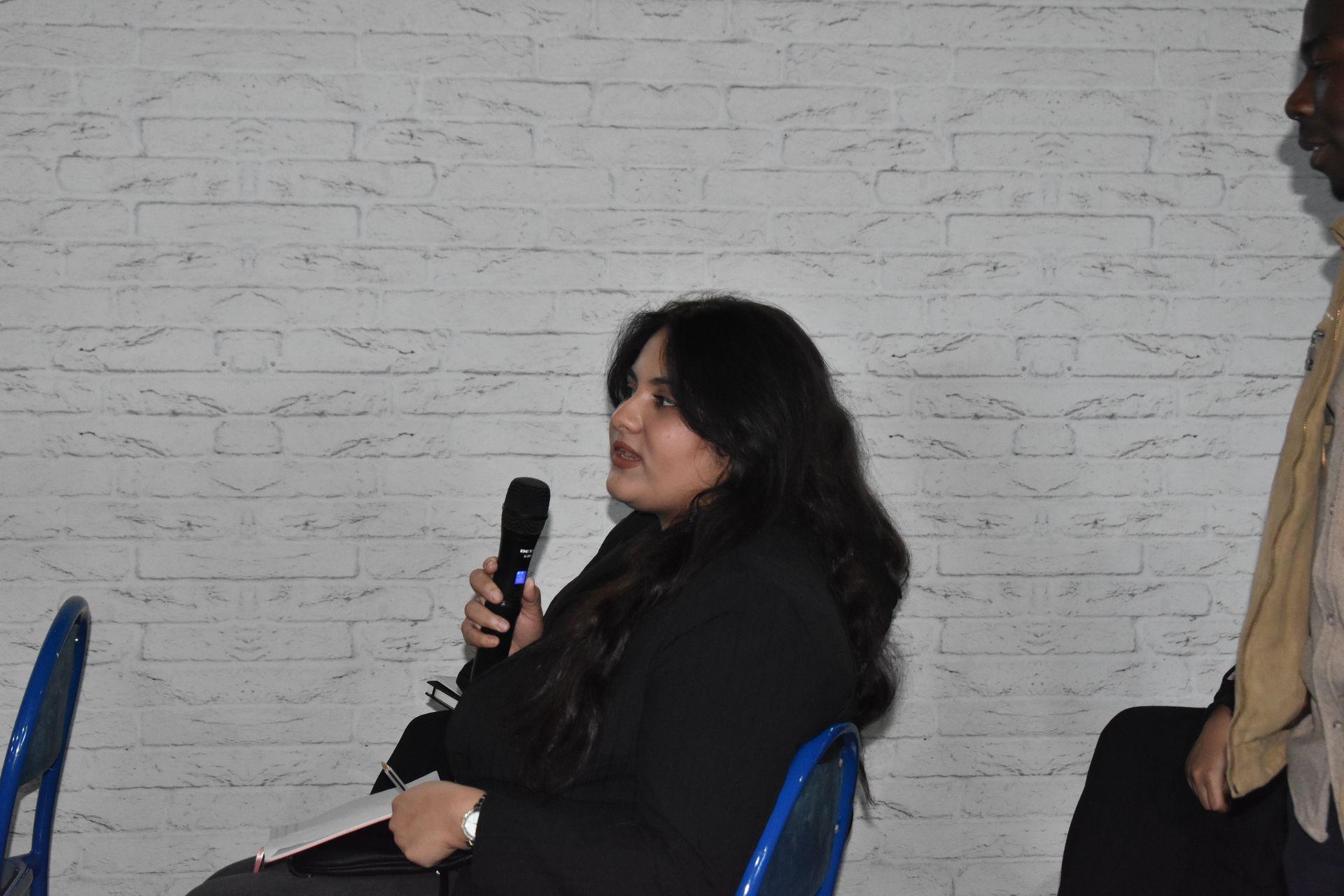
At HESTIM, Civil Engineering education extends beyond purely academic teaching. Students regularly take part in seminars, conferences and thematic days that provide genuine opportunities to exchange with renowned specialists. These events allow them to understand contemporary industry challenges while becoming familiar with cutting-edge technological innovations.
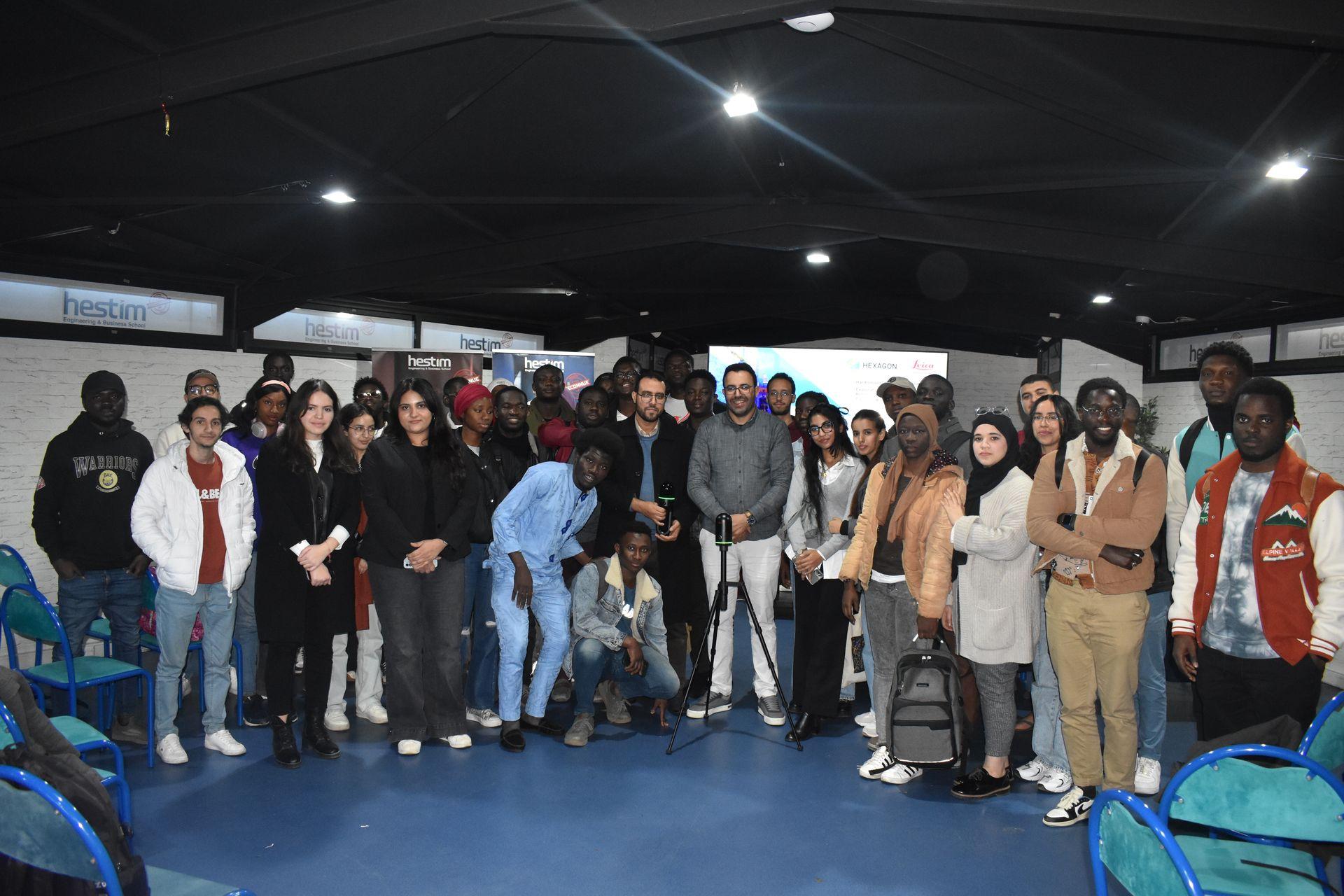
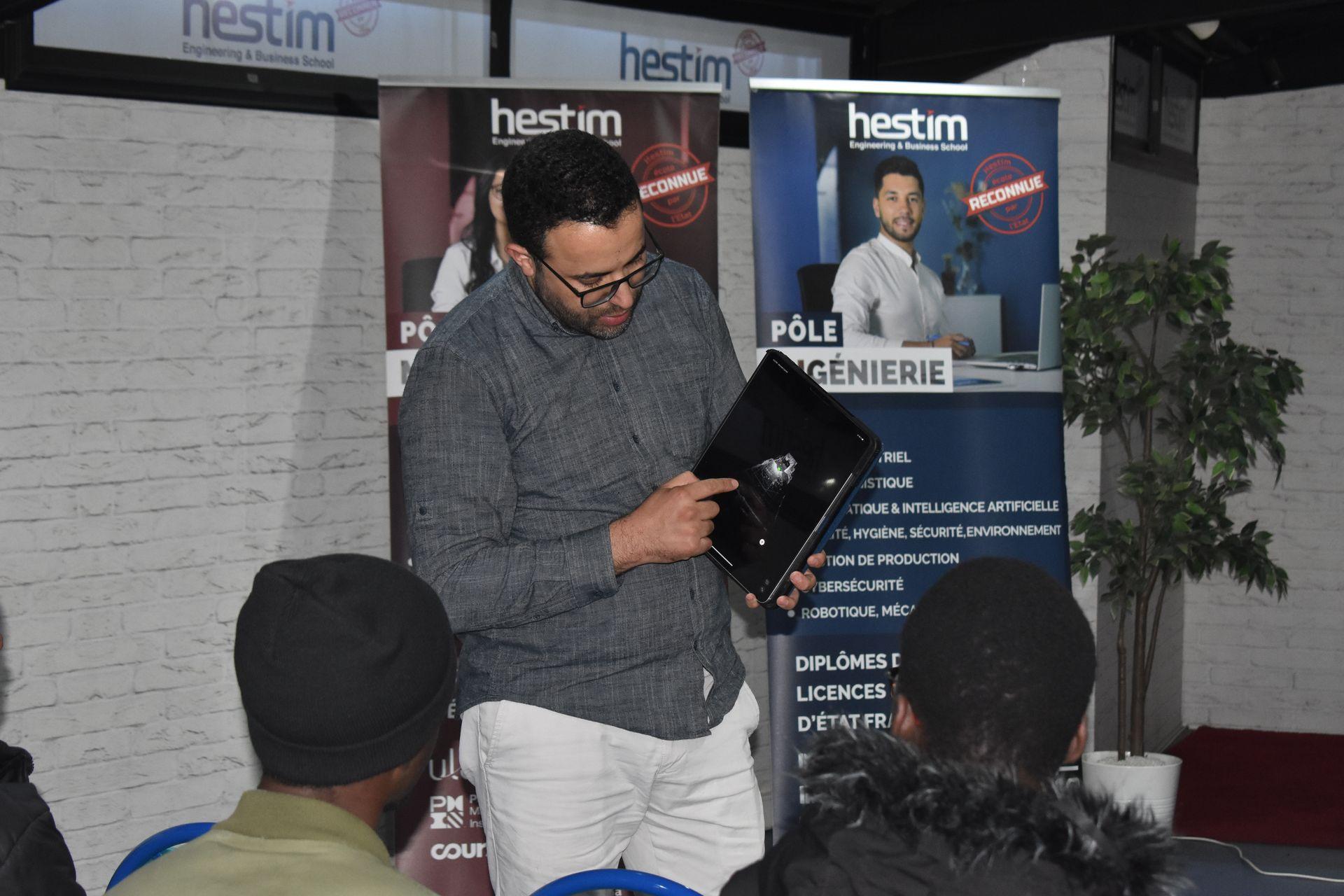
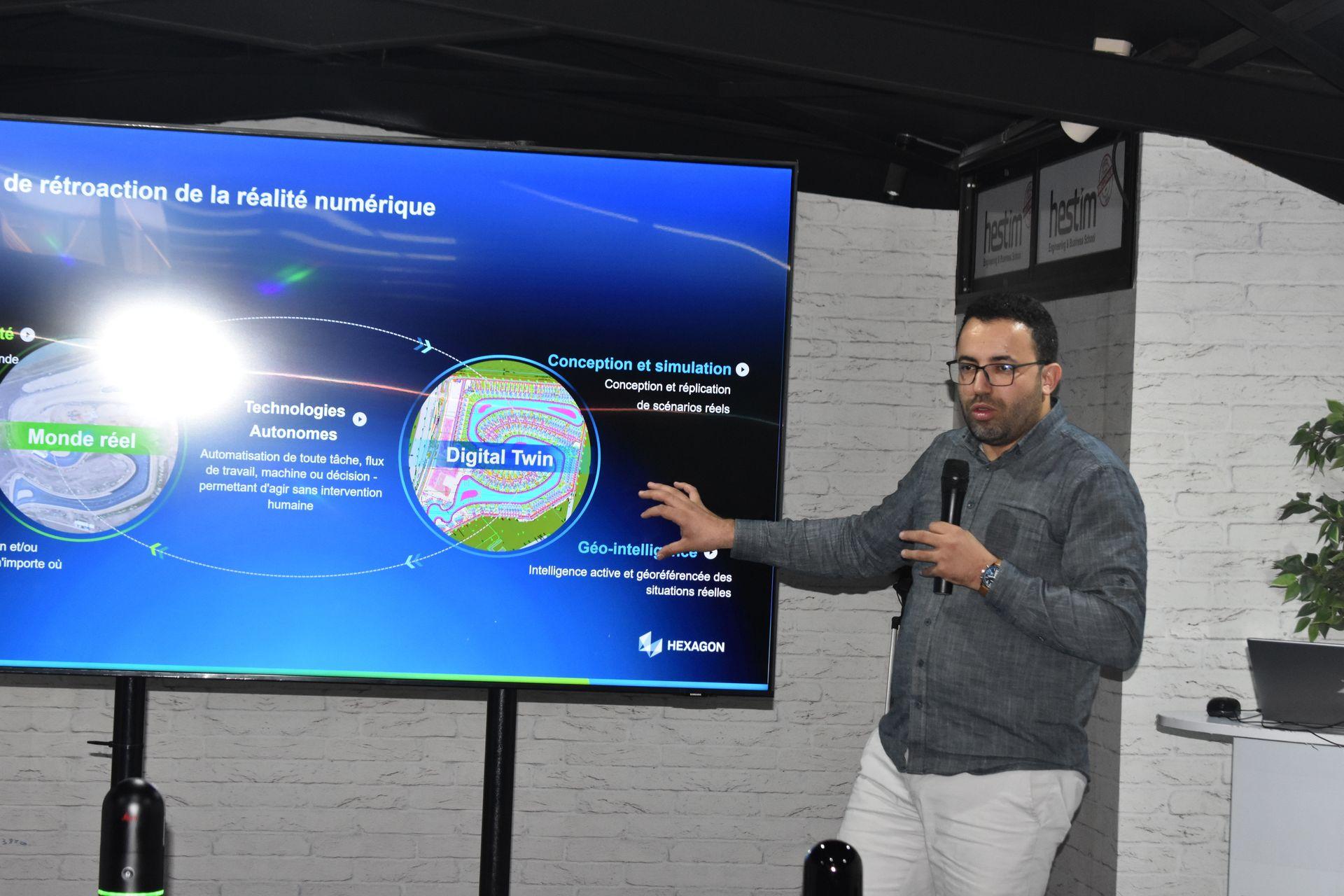
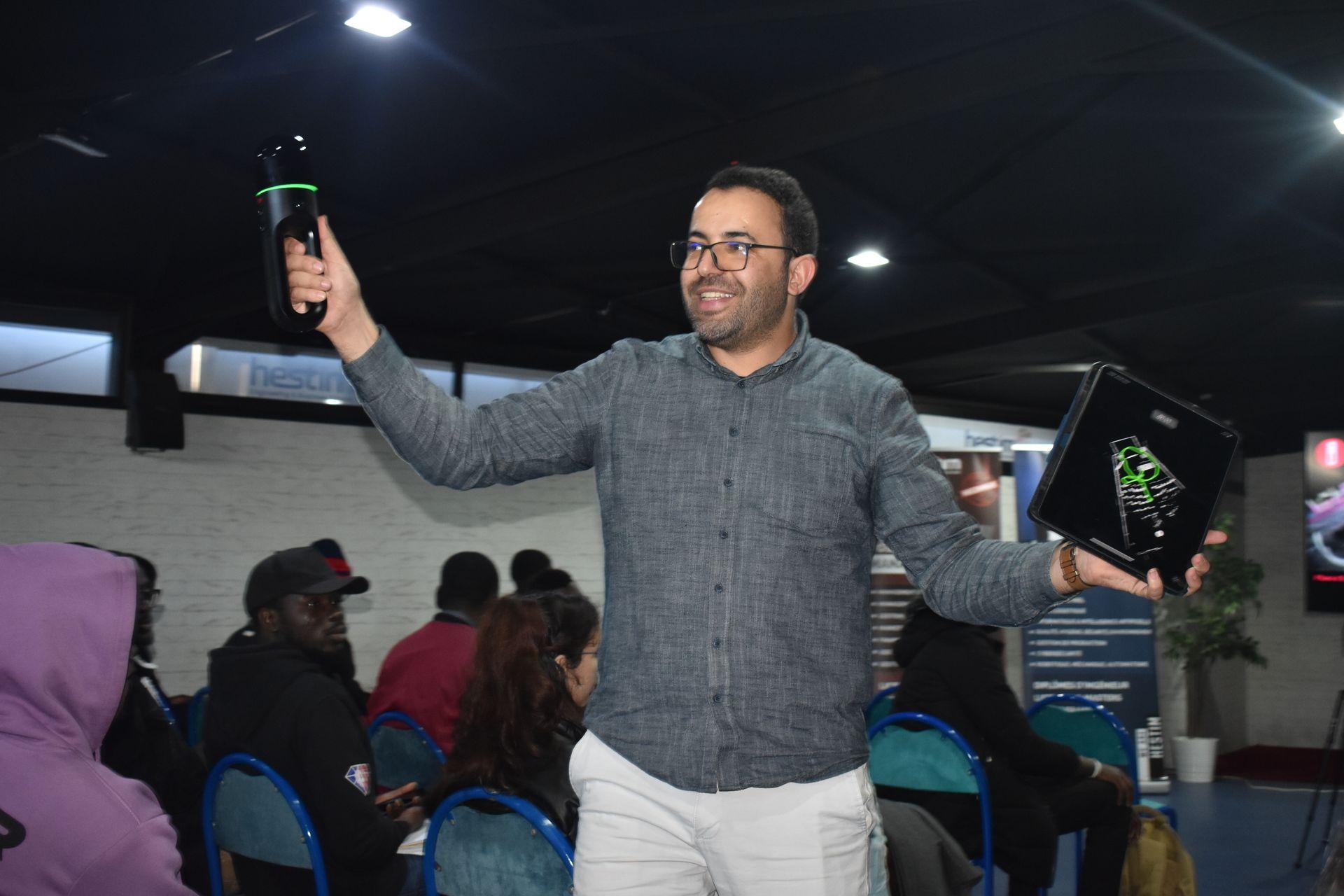
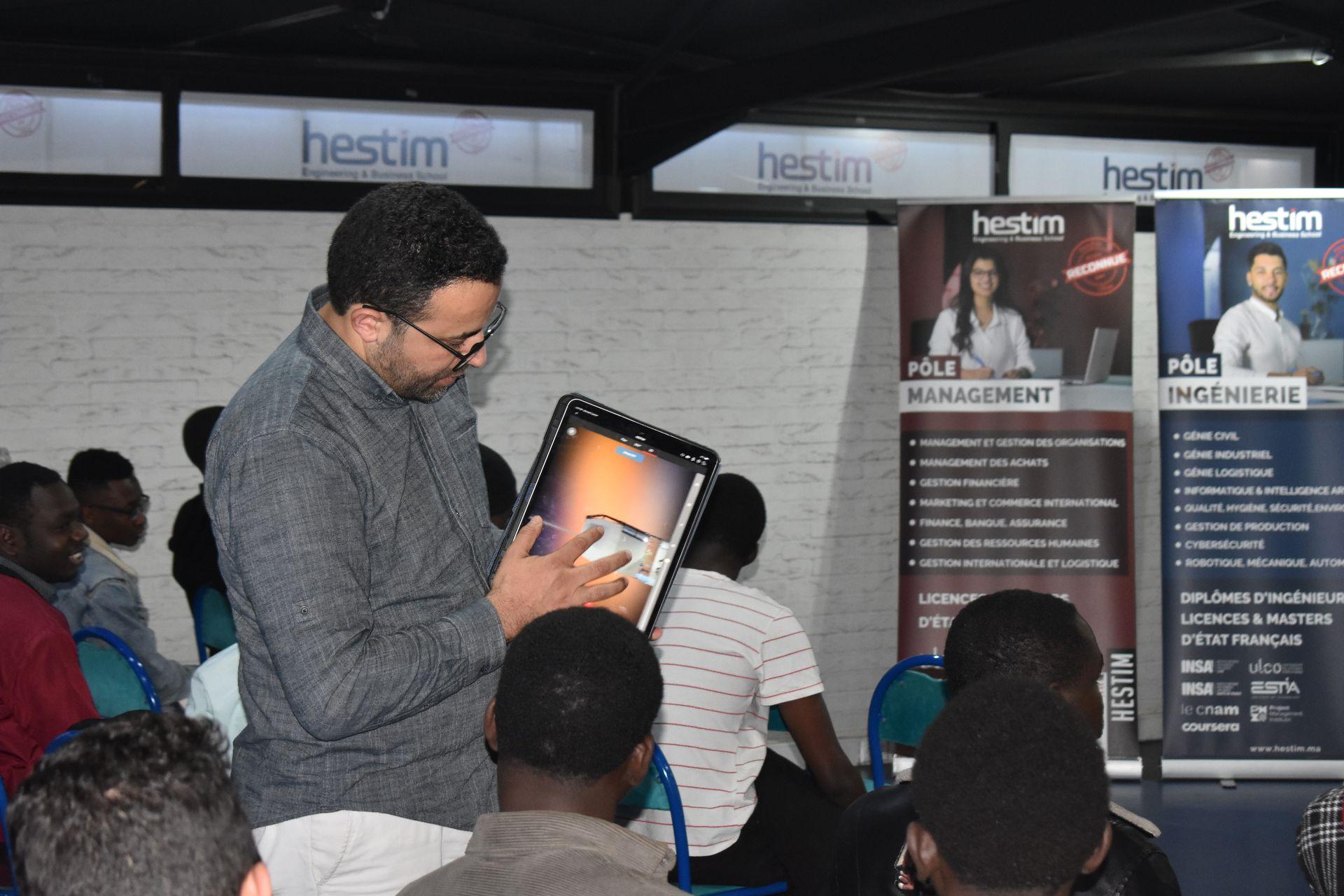
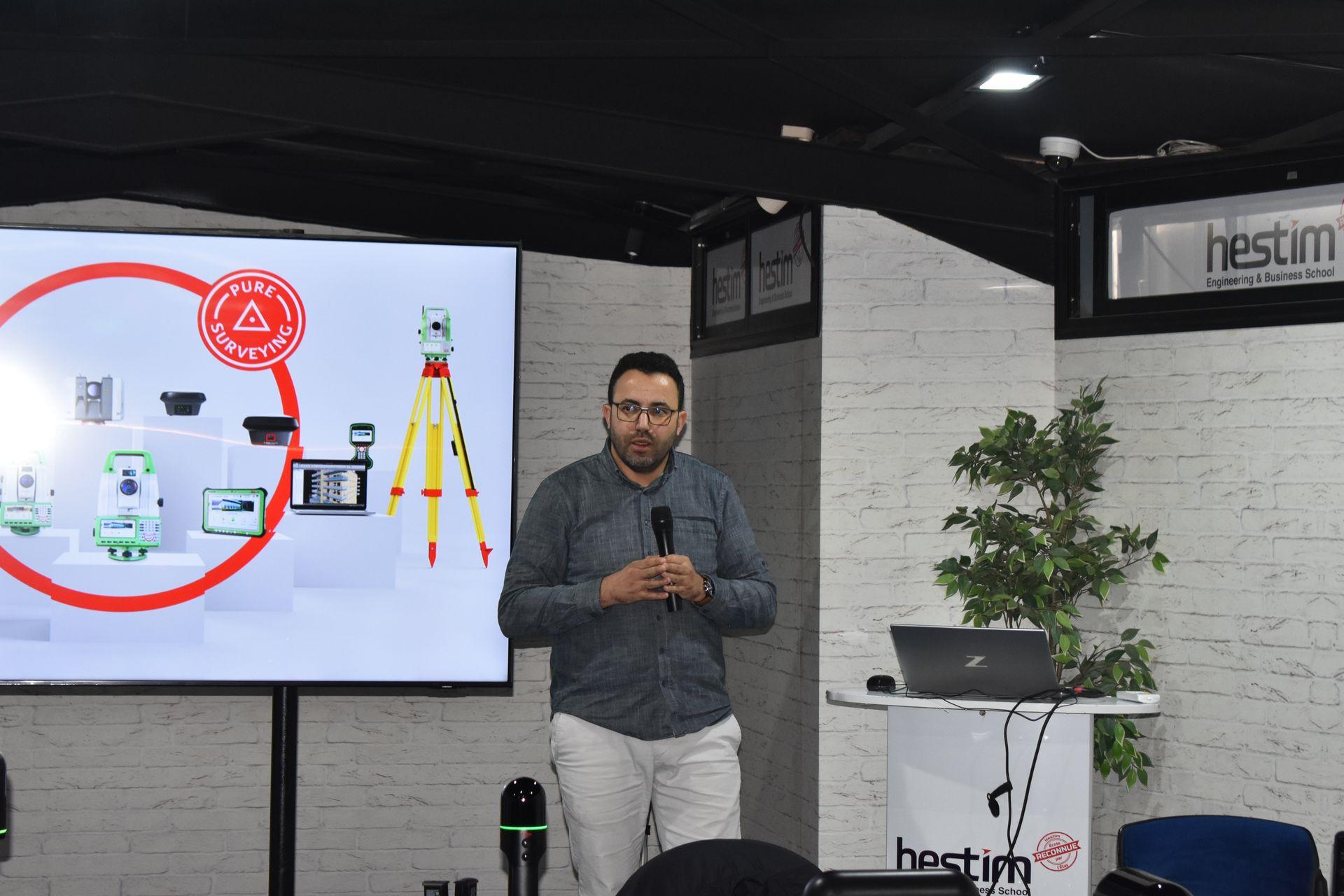
A thematic day organized in partnership with LEICA GEOSYSTEMS, a globally recognized leader in reality-capture solutions, was a highlight of this educational approach.
Under the theme "Bridging the Past and the Virtual: Exploring Scan to BIM for Heritage Rehabilitation and Preservation", future engineers were introduced to the potential of these advanced technologies for preserving architectural heritage.
Under the guidance of Mr. Amzil Mustapha, Reality Capture Sales Manager North & West Africa, students gained practical insight into Scan-to-BIM applications, combining technical rigor with heritage enhancement.
This immersive experience perfectly reflects HESTIM’s ambition to train skilled, open-minded engineers capable of integrating both sustainable and innovative approaches into their professional practice.
Career Opportunities for the Civil Engineering Program
The Architectural and Urban Civil Engineering program trains engineers to contribute to every stage of construction, urban development and infrastructure projects. Upon graduation, they can pursue careers in a wide range of public- and private-sector organizations:
- Construction Companies, Engineering Consultancies and Architectural Firms
- Public Bodies and Local Authorities
- Real Estate Developers and Development Companies
- Agencies Specializing in Sustainable Development, Urban Planning or the Environment
- Research Centers and Higher Education Institutions
Their technical expertise, combined with an understanding of urban, environmental and digital challenges, enables them to manage complex projects in areas such as urban planning, infrastructure, resource management, energy transition and sustainable construction.
Career Paths
- General Civil Engineer
- Structural Design Engineer
- Methods Engineer (Manufacturing, Production and Execution)
- Construction or Urban Development Project Manager
- Quality, Safety and Environment (QSE) Manager
- Territorial Development or Urban Planning Project Officer
- Infrastructure or Civil Structures Design Engineer
- Environmental or Regulatory Assessment Consultant
- Research and Innovation Engineer in Sustainable Construction
Through a rigorous program grounded in real-world practice, HESTIM Civil Engineering graduates are prepared for positions of responsibility in France and internationally, within a constantly evolving sector.
For more information about the Architectural & Urban Civil Engineering program, complete the form and a guidance advisor will contact you shortly