Overview of the Industrial Engineering and Logistics Program
The HESTIM State Engineering Degree in Industrial Engineering and Logistics trains engineers to design, optimize and manage industrial and logistics systems. The program covers production management, supply chain, industrial maintenance, quality and continuous improvement to meet companies’ performance and competitiveness requirements.
The program integrates the methods and tools of Lean Manufacturing, Six Sigma, Industry 4.0, CMMS, SAP and Power BI. Through project-based learning, professional simulations and HESTIM’s Smart Factory, students develop technical, digital and managerial skills that can be directly applied in industry.
Graduates can pursue careers in sectors such as automotive, aerospace, food processing, logistics, transport and consulting, including roles as industrial engineers, methods engineers, production managers, maintenance managers, supply chain engineers or continuous improvement managers.
An Outstanding State-Recognized Double Degree
HESTIM’s Industrial Engineering and Logistics program offers students the unique opportunity to earn a double engineering degree recognized by the State at both institutions :
- HESTIM Engineering Degree in Industrial Engineering and Logistics (Morocco)

- ESTIA Engineering Degree in Industrial Organization and Management (OGI – France), accredited by the Commission des Titres d’Ingénieur (CTI)
Students selected for the double-degree program spend their final year at ESTIA engineering school in France.
Industrial Engineering and Logistics Program Overview
The Industrial Engineering and Logistics engineering program trains engineers to design, optimize and coordinate all industrial processes within an organization, from supply chain and production to quality, logistics and maintenance.
In a constantly evolving environment shaped by digitalization, competitiveness requirements and sustainability challenges, Industrial Engineering and Logistics graduates are prepared to become key drivers of industrial performance.
They master digital tools, optimization methods (Lean, Six Sigma, TPM), project management and Industry 4.0 standards. Through a program combining technical expertise, strategic vision and adaptability, graduates quickly enter sectors as diverse as food processing, automotive, aerospace, electronics, logistics and renewable energy.
Immersive, Career-Focused Learning
HESTIM adopts a teaching approach centered on hands-on learning, innovation and the development of cross-disciplinary skills. The goal is to prepare engineers who are immediately operational and able to adapt to a wide range of industrial environments.
Industrial Engineering and Logistics Curriculum
Production - Logistics and Supply Chain
- Production Management
- DDMRP Method
- Production 4.0
- Procurement Management
- Inventory & Supply Management
- ERP – SAP
- Transport and Distribution Logistics
- Supply Chain Management
- WMS, Warehouse Management
- Logistics 4.0
- Logistics Audit – SCOR Model
- Supply Chain Analytics
Operational Excellence
- Lean Manufacturing
- Six Sigma
- Industrial Project Management
- Power BI & KPIs
Computer Science
- Quality Management
- Industrial Maintenance Management
- CMMS
- QHSE Management Systems
- Maintenance 4.0
Management
- Problem-Solving Techniques
- Financial Management
- Managerial Economics
- Strategic Management
- Process Digitalization
Professional Projects
- PISTE: Scientific Initiation Projects
and Supervised Technical Projects
- PACTE: Applied Expertise Projects
- PIC: Integration Projects
Consulting
Engineering Science and Technology
- Applied Mathematics
- General Mechanics
- Electricity and Electrical Engineering
- Power Electronics
- Mechanical Manufacturing Technology
- Pneumatic and Hydraulic Technology
- Mechatronics and Control Electronics
- Statistics and Probability for Engineers
- Data Processing and Analysis with Python and Minitab
- Applied Operations Research
- Strength of Materials and Structural Analysis
- Heat Transfer, Thermodynamics and Energy Engineering
Maintenance and Quality
- Quality Management
- Industrial Maintenance Management
- CMMS
- QHSE Management Systems
- Maintenance 4.0
Soft Skills
- Professional English
- Communication and Presentation Skills
- Public Speaking
- Conflict Management and Change Management
- Stress Management
- Leadership and Entrepreneurship
- Creativity Techniques
Certifications
- Supply Chain Principles
- Agile Project Management
- Data Analysis and Visualization with Power BI
- Lean Six Sigma
- PMI
Program Highlights
Technology Platform - Smart Factory Connected
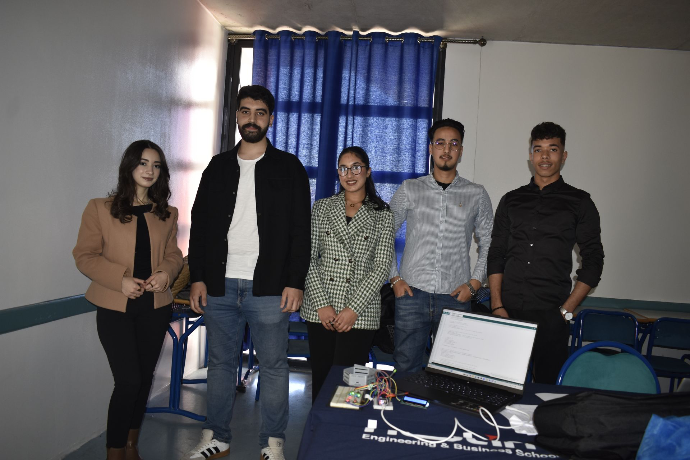
HESTIM’s technology platform enables students to bring their ideas to life through prototyping, modeling and model fabrication. It provides a practical bridge from theory to implementation.
The Smart Factory, integrated into the campus, replicates a real production environment. Students experiment with flows, sensors, supervision and intelligent process management in conditions closely aligned with real-world industrial requirements.
Discover the Technology Platform
Competitions & Challenges
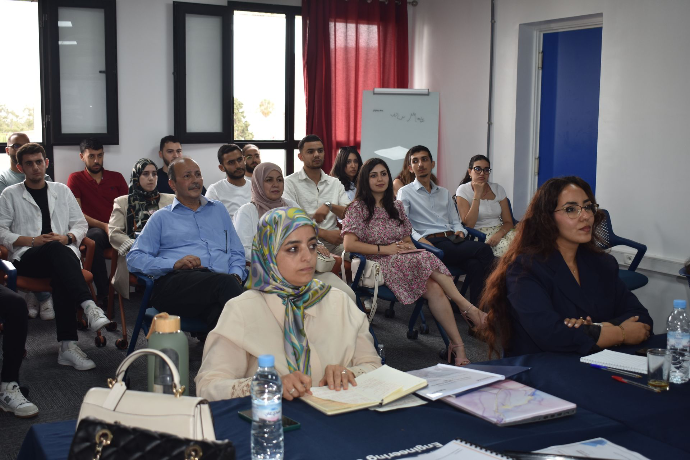
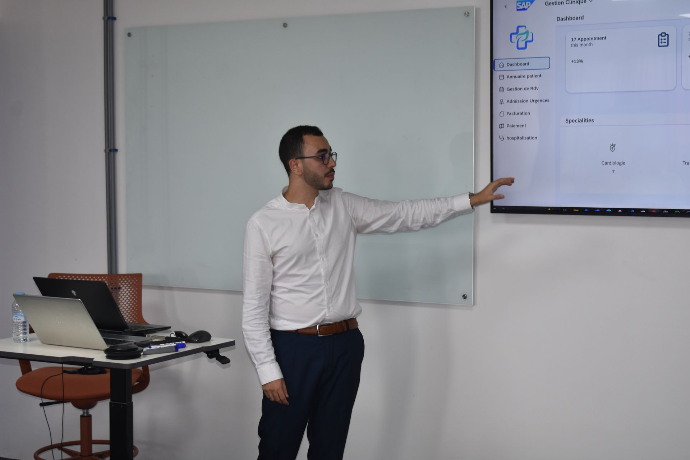
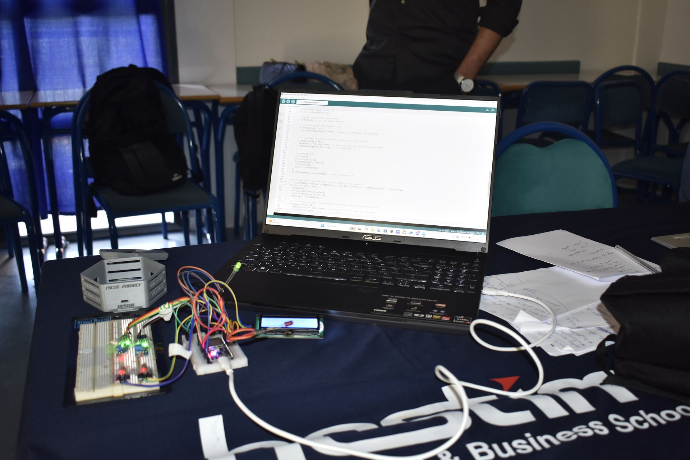
Competitions and challenges integrated into the curriculum give students the opportunity to apply their creativity and technical skills in real-world situations.
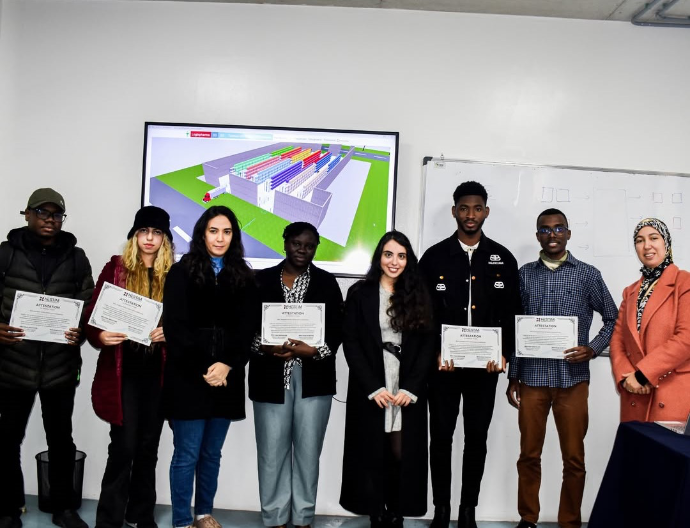
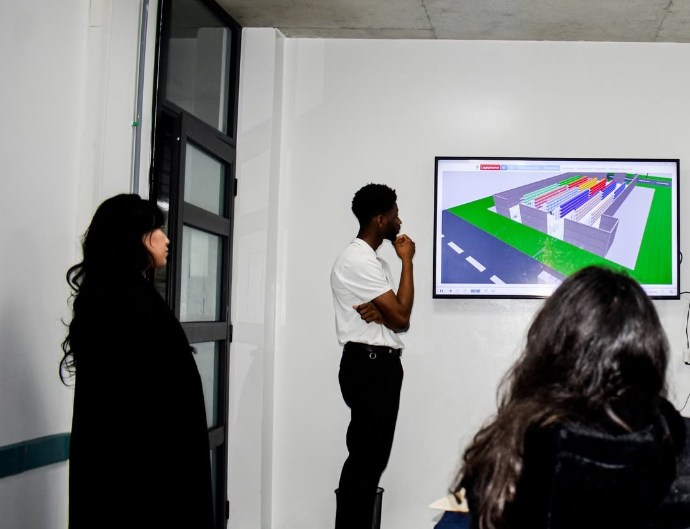
A flagship example is the development of a logistics digital twin, an innovative project in which students designed and optimized a supply chain in real time, demonstrating their ability to combine digital expertise with strategic industrial vision.
Company Visits
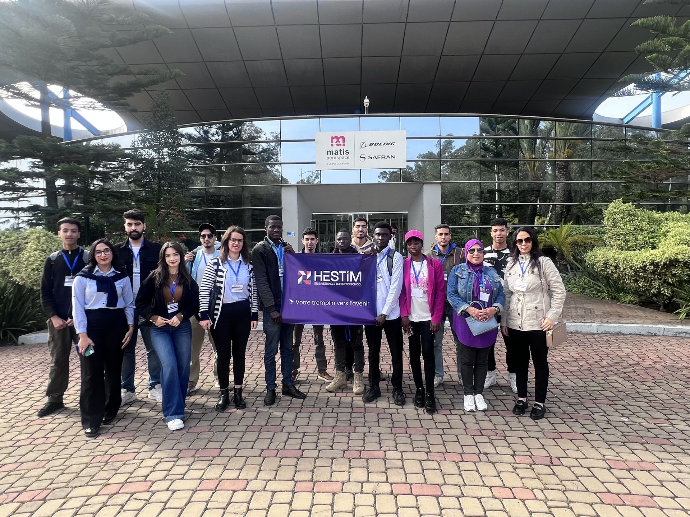
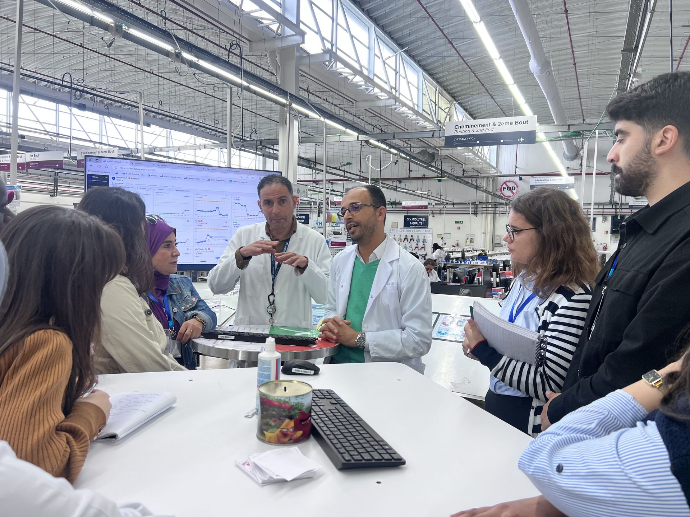
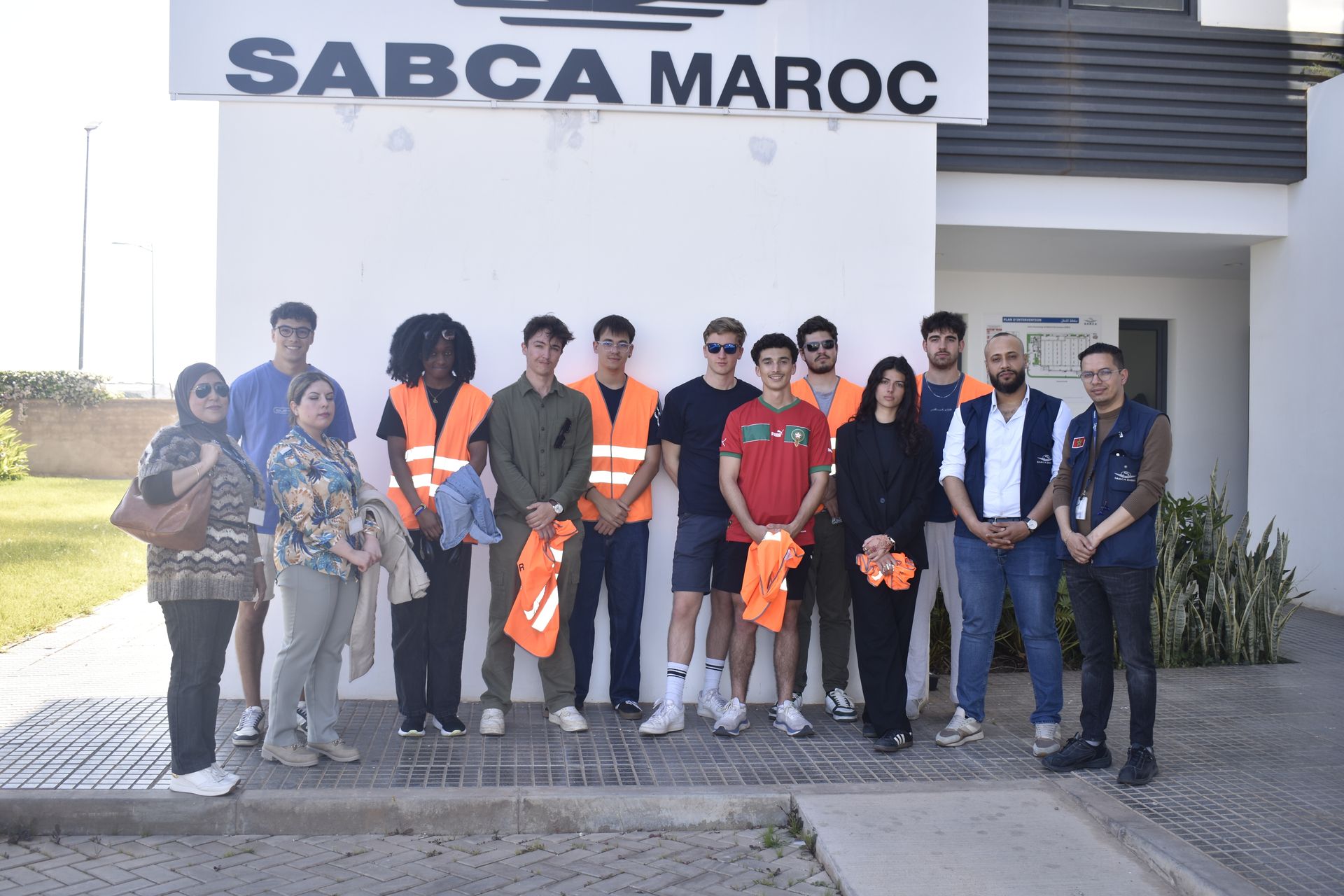
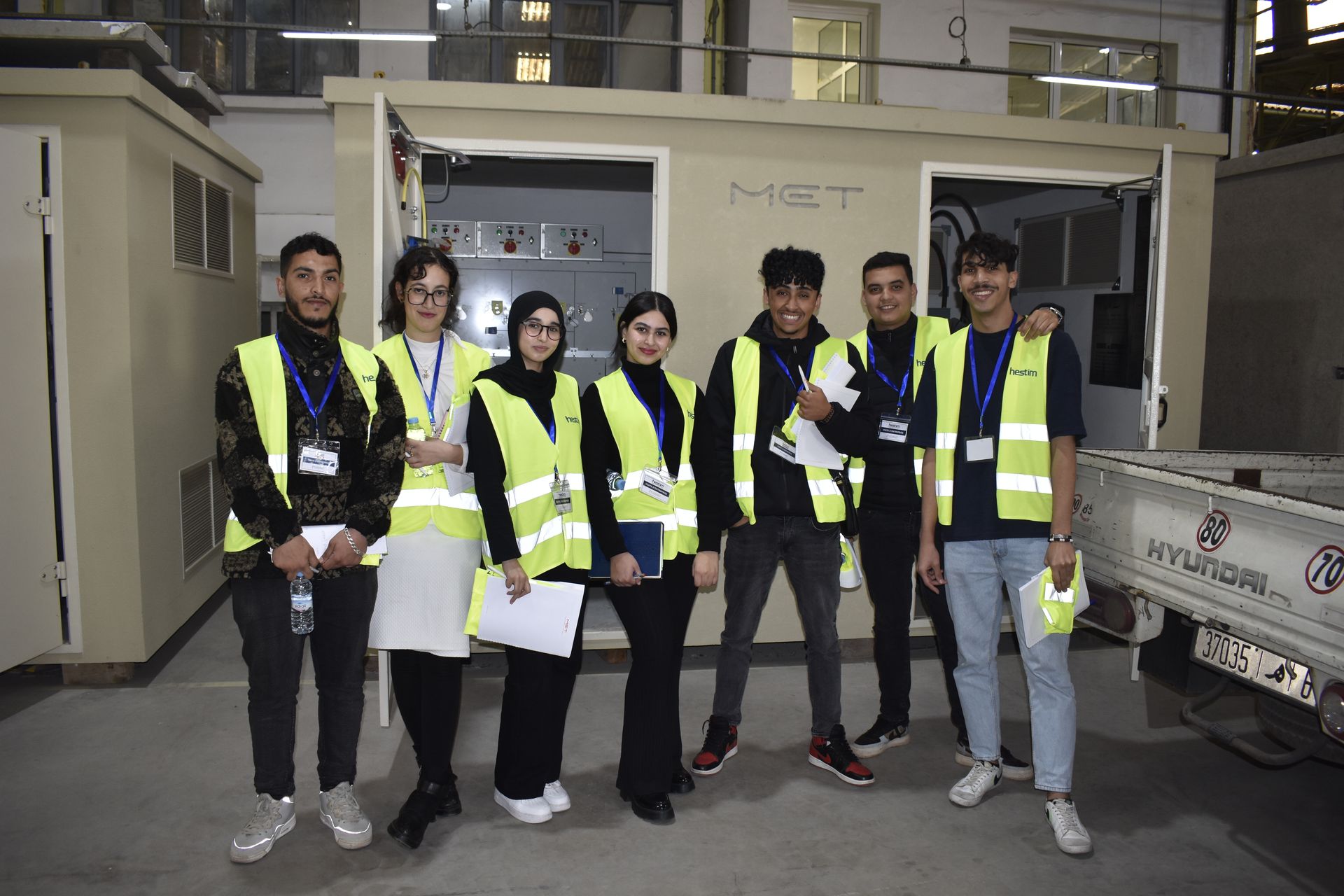
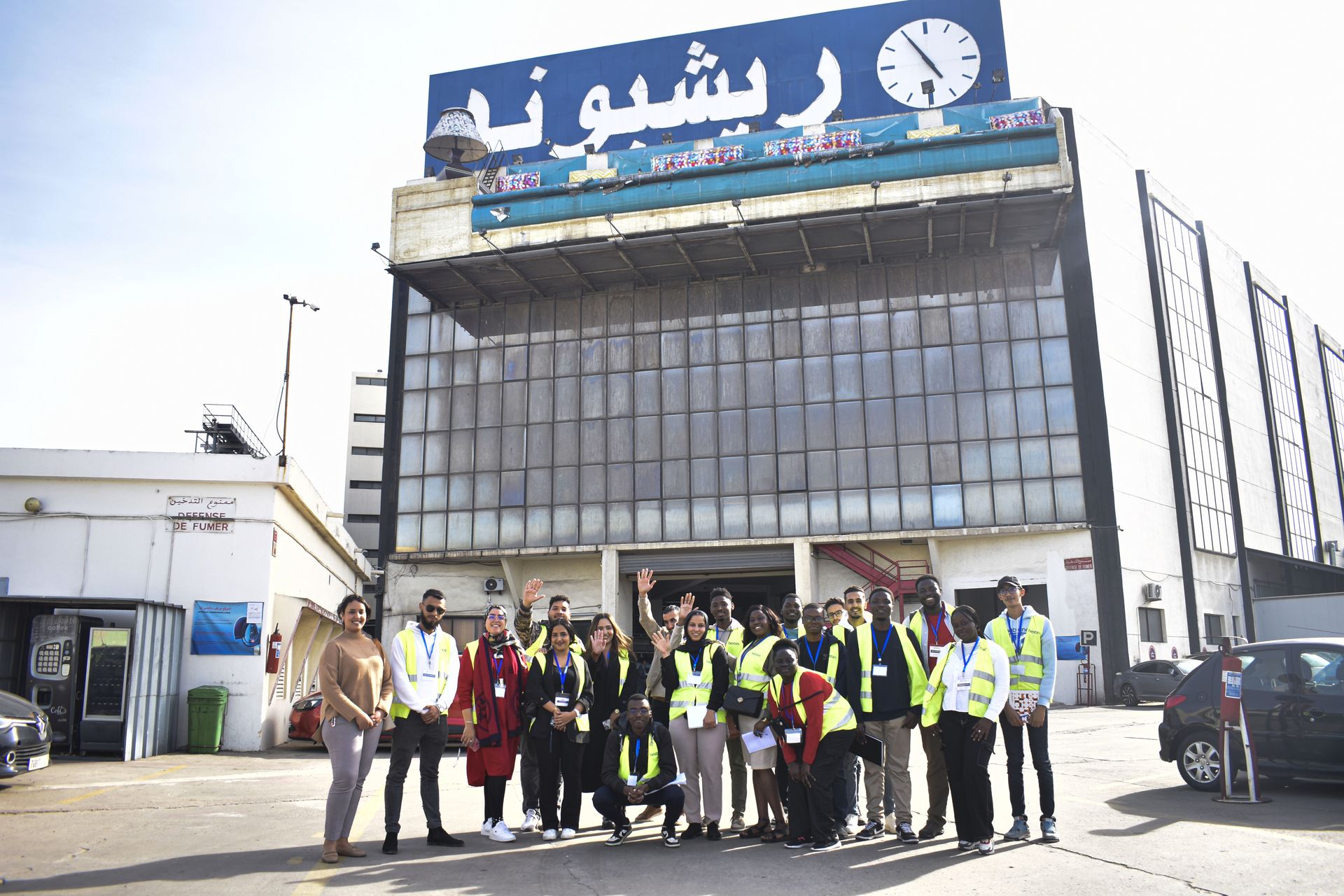
Regular visits to leading industrial companies allow students to immerse themselves in real professional environments.
These experiences deepen their understanding of industrial practices, organizational processes and market requirements, while preparing them for a successful transition into the professional world.
Blended Learning & Certifications
HESTIM’s Industrial Engineering and Logistics program uses a blended learning approach combining in-person classes and online modules. This innovative method promotes active, personalized learning aligned with industry needs.
To strengthen their expertise and competitiveness, students have access to recognized professional certifications such as Supply Chain Principles, Agile Project Management, Data Analysis and Visualization with Power BI, Lean Six Sigma and PMI-PMI. These certifications help them develop key skills in supply chain management, agile project management, process optimization, data analysis and project management.

This teaching approach, focused on acquiring practical and certified skills, effectively prepares our graduates to meet the complex challenges of modern industry and logistics.
Educational Games
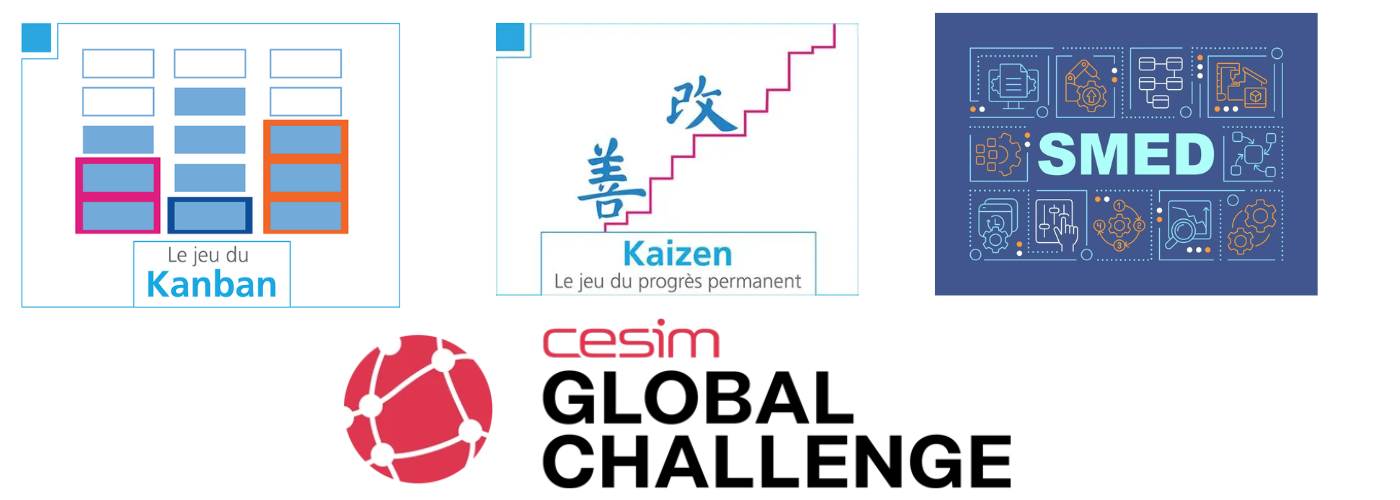
To stimulate critical thinking and strengthen practical skills, the Industrial Engineering and Logistics program incorporates educational games and professional simulations such as Kaizen, Kanban, SMED and the CESIM Global Challenge. These activities enable students to:
- Understand and apply the principles of Lean Management, flow management and process optimization.
- Develop analytical thinking, strategic decision-making skills and teamwork.
- Prepare effectively for real-world challenges in industry and logistics.
Admission Requirements
1. How Can I Join the Industrial Engineering and Logistics Program?
-
Holders of a scientific or technical Baccalaureate, subject to application review
-
Students with one year of scientific or technical higher education may be admitted following application review
-
Holders of a two-year higher education qualification, DUT, DEUG, scientific BTS or equivalent diploma
-
Holders of a three-year higher education qualification, Bachelor's degree or equivalent scientific diploma, subject to review by the admissions committee
2. What Documents Are Required to Apply to the Industrial Engineering and Logistics Program?
- Copy of Baccalaureate Diploma or Certificate of Completion
- Academic Transcript
- Copy of National ID Card (for Moroccan students)
- Copy of Passport (for international students)
- 2 Photos
- Motivation Letter
- 1st-Year Academic Transcript
- Certificate of Completion – 1st Year
- Copy of National ID Card (for Moroccan students)
- Copy of Passport (for international students)
- 2 Photos
- Motivation Letter
- 1st- and 2nd-Year Academic Transcripts
- Certificates of Completion – 1st and 2nd Years
- Copy of National ID Card (for Moroccan students)
- Copy of Passport (for international students)
- 2 Photos
- Motivation Letter
- 1st-, 2nd- and 3rd-Year Academic Transcripts
- Certificates of Completion – 1st, 2nd and 3rd Years
- Copy of National ID Card (for Moroccan students)
- Copy of Passport (for international students)
- 2 Photos
- Motivation Letter
Career Opportunities for the Industrial Engineering and Logistics Program
The Industrial Engineering and Logistics program trains engineers to design, optimize and manage industrial and logistics systems across the entire value chain. Upon graduation, they can pursue careers in a wide range of organizations, in both industry and services:
- Major manufacturing sectors: automotive, aerospace, electronics, IT, food processing, luxury goods, etc.
- Service sectors: logistics, transport, distribution, e-commerce, consulting, IT, banking, etc.
- All types of organizations: start-ups, SMEs, large corporations and multinationals.
Their technical expertise, combined with a global understanding of organizations and digital tools, enables them to manage complex projects in areas such as production, supply chain, continuous improvement, quality, and industrial and logistics innovation.
Career Paths
- Industrial Engineering and Logistics Engineer
- Methods and Industrialization Engineer
- Supply Chain and Logistics Engineer
- Industrial and Digital Transformation Project Manager
- Quality, Continuous Improvement and Operational Excellence Manager
- Production or Operations Director
- Procurement and Supply Manager
- Organization, Process Optimization and Business Management Consultant
- Entrepreneur / Business Founder
For more information about the Industrial Engineering and Logistics program, complete the form and a guidance advisor will contact you shortly.